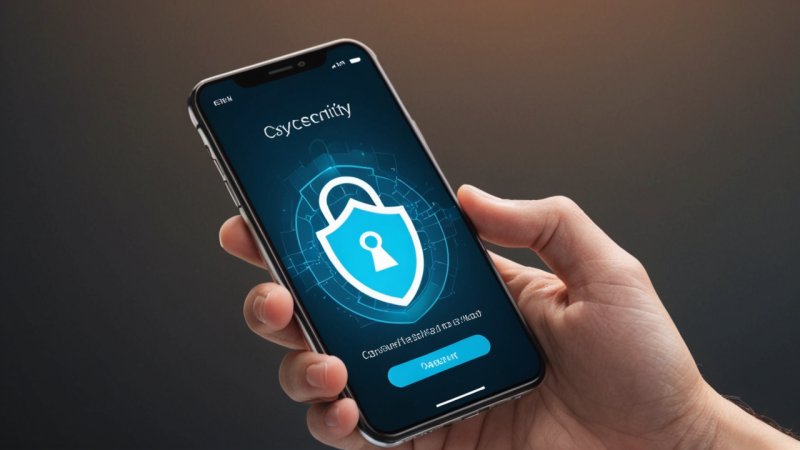
Ransomware attacks have become increasingly sophisticated and prevalent, particularly targeting mobile applications. As businesses rely more on mobile apps for their operations, it's critical to implement robust security measures to safeguard against potential vulnerabilities. In this article, we will explore five essential steps that organizations can take to effectively manage and mitigate the risks associated with ransomware in mobile applications.
Understand the Threat Landscape
To develop an effective defense strategy, it's imperative to have a clear understanding of the ransomware threat landscape. This includes:
- Identifying common types of ransomware targeting mobile apps.
- Staying updated on recent attack trends and tactics used by cybercriminals.
- Understanding the potential impact of a ransomware attack on your business operations.
Implement Strong Authentication Mechanisms
One of the most effective ways to protect mobile applications is through strong authentication. Consider the following measures:
- Utilize multi-factor authentication (MFA) to add an extra layer of security.
- Encourage users to create strong, unique passwords.
- Regularly update authentication protocols to meet industry standards.
Regularly Update and Patch Applications
Keeping mobile applications up-to-date is crucial in defending against ransomware. Ensure that:
- All applications are regularly updated to incorporate security patches.
- Third-party libraries used within the app are also updated.
- Users are notified of available updates and encouraged to install them promptly.
Conduct Security Audits and Assessments
Regular security audits can help identify vulnerabilities before they are exploited. Focus on:
- Conducting comprehensive security assessments of your mobile applications.
- Utilizing penetration testing to simulate potential attacks.
- Reviewing your current security policies and updating them as necessary.
Educate Users on Security Best Practices
Finally, user education is key to preventing ransomware attacks. Consider implementing:
- Training sessions to inform users about the risks associated with ransomware.
- Guidelines for recognizing phishing attempts and suspicious links.
- Resources to encourage safe app usage and data management.
In conclusion, protecting mobile applications from ransomware requires a proactive and multi-faceted approach. By understanding the threat landscape, implementing strong authentication, keeping applications updated, conducting regular security audits, and educating users, businesses can significantly reduce their risk of falling victim to ransomware attacks. Taking these steps not only enhances security but also builds trust with users, ensuring a safer digital environment.